From Quarry to Interior: How Natural Stone Is Selected for Luxury Projects
In luxury interior design, natural stone is selected through a deliberate process that balances aesthetics, material integrity, and long-term performance.
For architects and interior designers working on high-end residential and hospitality projects, understanding how stone is sourced and chosen helps ensure that the final interior reflects both design intent and material quality.
Natural stone is never an afterthought. From the earliest design stages, it plays a defining role in how a space is perceived, experienced, and valued over time.
Material Character Begins at the Quarry
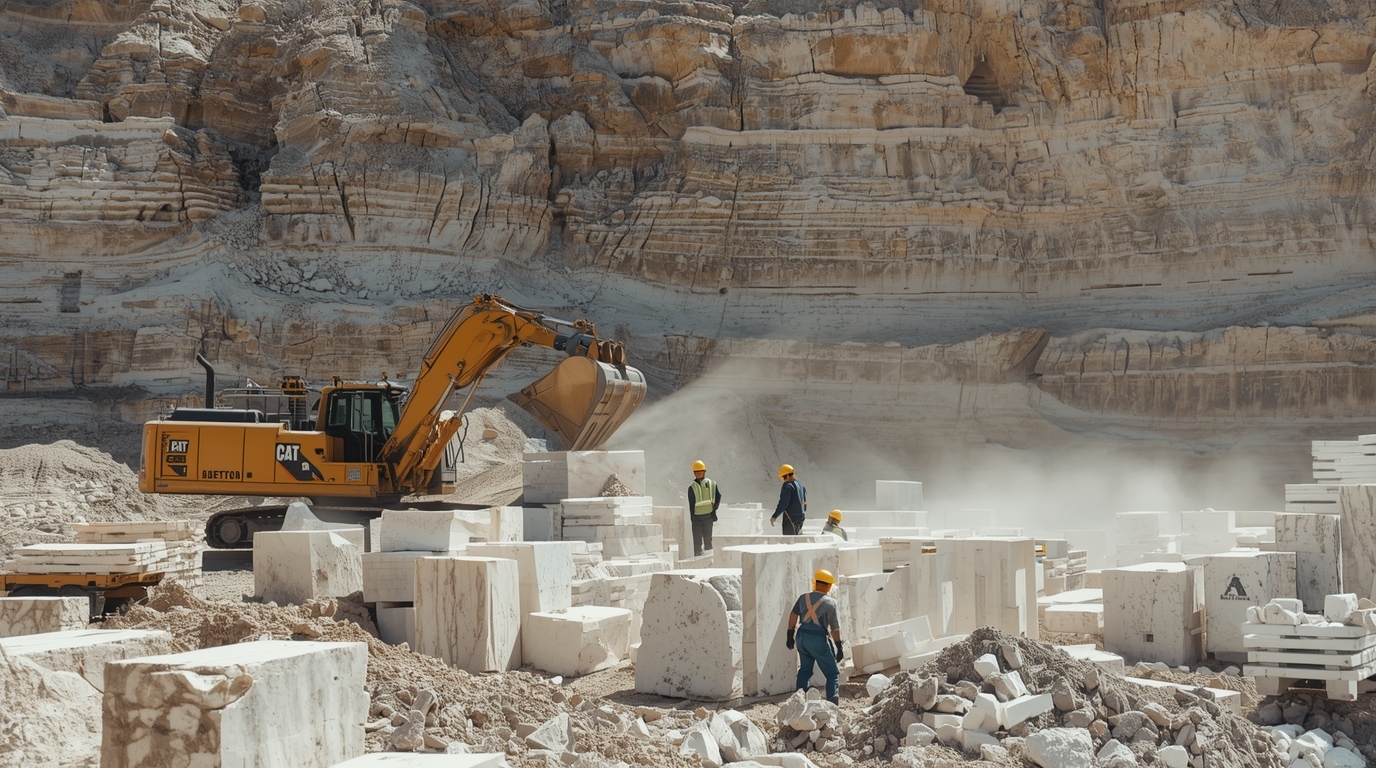
Every piece of natural stone begins at the quarry, where material character is defined long before it reaches an interior space.
Unlike manufactured surfaces, stone is not produced to specification. Veining, movement, translucency, and tonal variation are inherent qualities shaped by nature. These characteristics determine how the stone will interact with light, scale, and surrounding materials once installed.
For luxury projects, stone is evaluated as raw material with architectural potential – not as a finished product. This early understanding allows designers to select stone that supports the overall concept rather than forcing design decisions later in the process.
Selecting Stone Based on Design Intent
In premium interiors, stone selection is guided by intent, not trends.
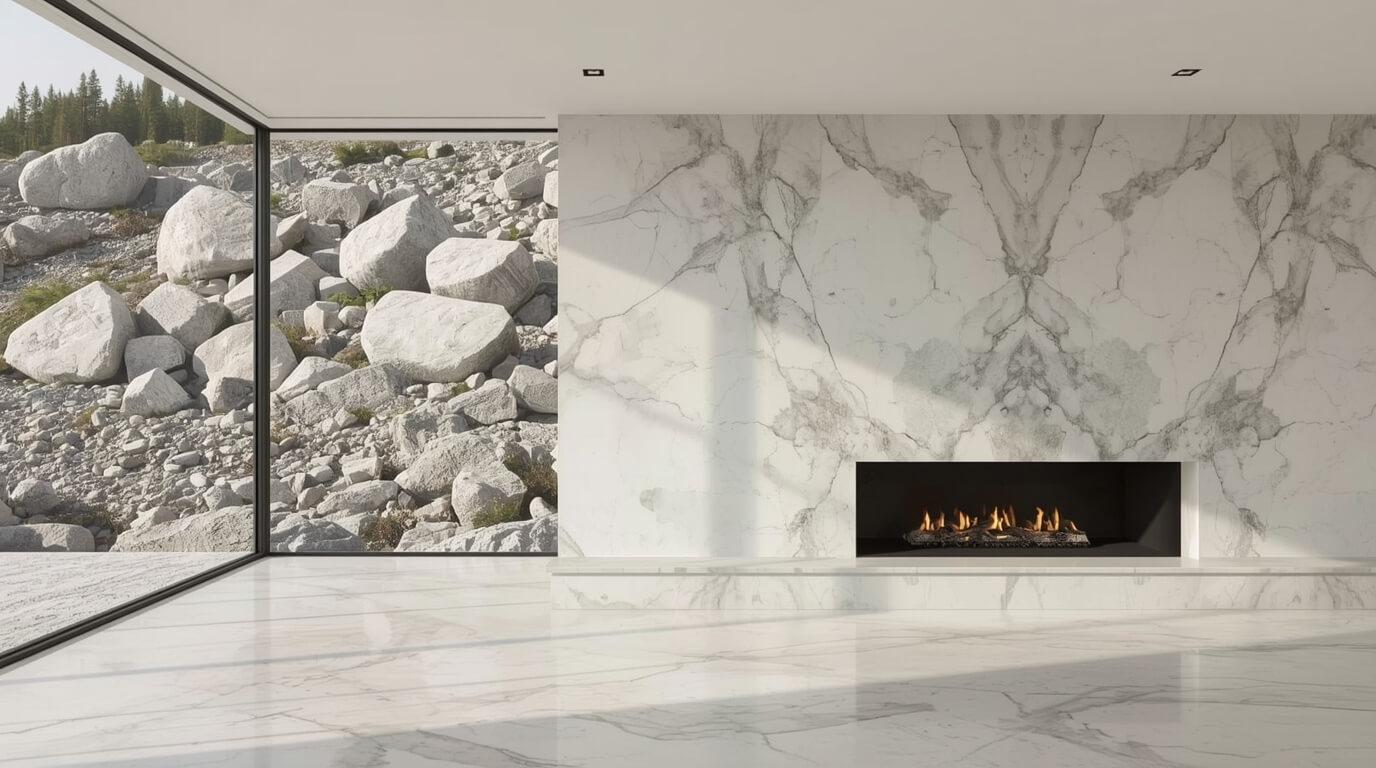
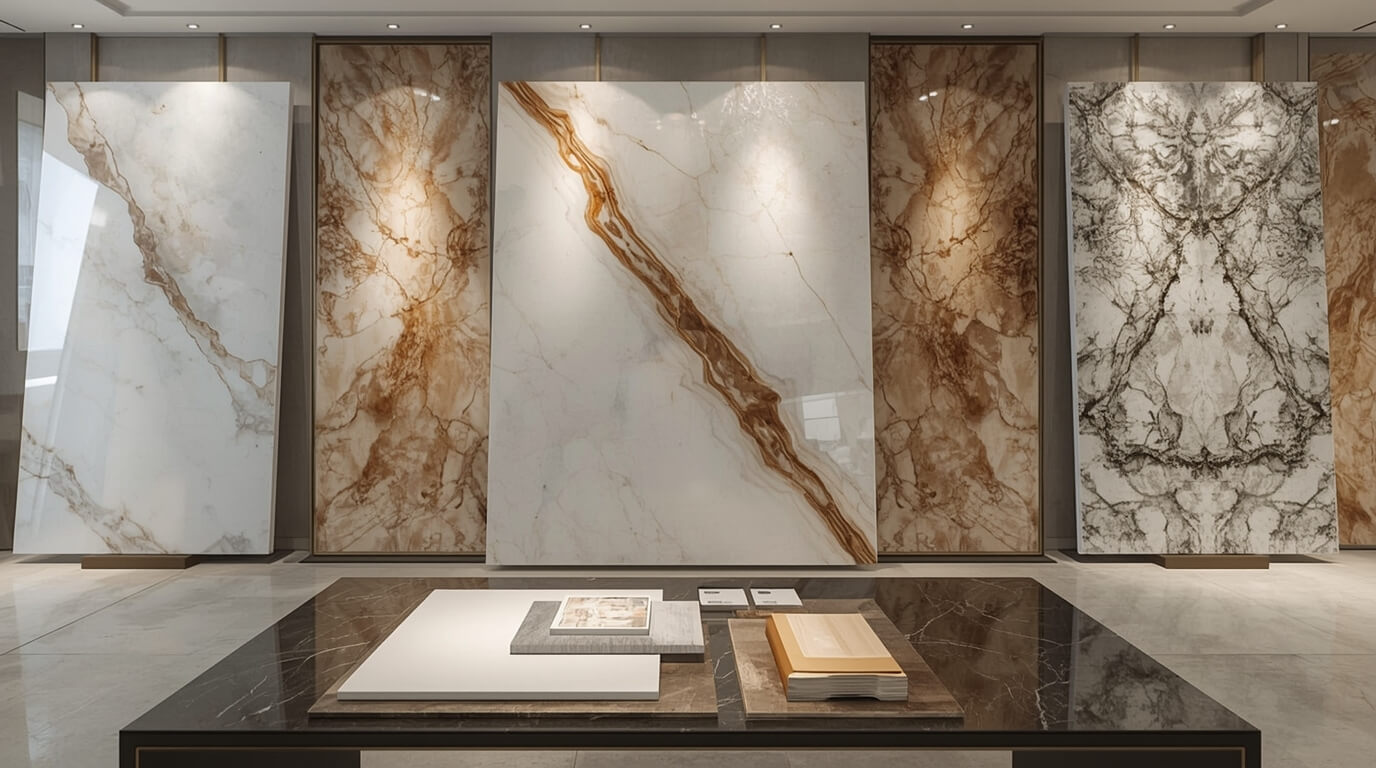
A restrained, modern interior may require marble with subtle veining and a calm visual rhythm. A feature-driven space – such as an entry hall, master bathroom, or hospitality lobby – may call for expressive stone with bold movement or translucency.
Designers consider slab size, vein direction, bookmatching potential, and visual continuity across surfaces. These decisions influence how stone integrates into the architecture, whether it acts as a quiet foundation or a focal element.
This level of selection ensures that natural stone contributes meaningfully to the spatial narrative.
In luxury projects, natural stone is not chosen for decoration – it is selected to support architectural intent and long-term value.
Why Sourcing Matters in Luxury Projects
Sourcing is one of the most critical aspects of working with natural stone in high-end interiors.
Luxury projects require consistency in quality, reliable material performance, and access to premium-grade stone. This is why architects and designers often collaborate with specialized stone suppliers who understand both material behavior and design expectations.
Proper sourcing ensures that stone is quarried responsibly, selected carefully, and prepared for its intended use – whether as a surface, structural element, or custom-made object. Poor sourcing decisions can compromise not only aesthetics, but also timelines and long-term durability.
In high-end interiors, sourcing is a strategic decision, not a logistical one.
From Slab Selection to Custom Stone Elements
Many luxury interiors extend beyond flat stone surfaces.
Custom stone elements – including sinks, bathtubs, lighting fixtures, tables, and sculptural features – require an even more refined selection process. Material density, structural stability, and consistency become as important as visual appeal.
Stone chosen for sculptural or functional elements must perform under daily use while maintaining its aesthetic integrity. This is particularly important for bespoke pieces that serve as visual anchors within a space.
Close collaboration between designers, fabricators, and stone specialists ensures that each custom element aligns with both form and function.
Stone Selection for Modern and Classic Interiors
Natural stone’s adaptability is one of its greatest strengths.
In modern interiors, stone adds depth and material contrast to clean lines and restrained palettes. Used selectively, it introduces richness without visual overload.
In classic and transitional architecture, marble and dolomite reinforce elegance and continuity. Stone complements traditional proportions and detailing while maintaining relevance across generations.
Because stone transcends stylistic boundaries, selection focuses on long-term relevance rather than temporary design trends.
From Source to Space: A Long-Term Design Investment
Selecting natural stone for luxury interiors is a process rooted in intention.
From quarry to interior, each step reflects a commitment to material quality, craftsmanship, and architectural integrity. When sourced and selected thoughtfully, natural stone becomes more than a finish – it becomes part of the identity of the space itself.
For architects and interior designers, understanding this journey ensures that every stone surface and custom element adds lasting value to the project.