Why Luxury Interior Design Is Moving Away from Artificial Surfaces
Luxury interior design is evolving toward materials that offer authenticity, depth, and long-term relevance. Rather than rejecting engineered solutions, designers are refining their material choices to better align with contemporary expectations of quality and experience.
Artificial and engineered surfaces continue to play a practical role in many interior projects. However, in high-end residential and hospitality environments, their limitations are becoming more visible. As design priorities evolve, luxury interiors increasingly favor materials that offer greater authenticity, depth, and long-term relevance.
The Changing Definition of Luxury
Luxury today is no longer defined by uniformity or flawless repetition. Instead, it is shaped by intention, material honesty, and a sense of permanence.
In premium interiors, clients and designers are less interested in surfaces that look perfect on day one and more focused on how a space feels over time. Materials are expected to age gracefully, develop character, and remain relevant beyond short design cycles.
This change in mindset naturally leads designers toward materials that are inherently authentic.
The shift away from artificial surfaces is not about rejection, but about redefining what quality and luxury mean today.
Visual Depth and Material Presence
One of the most significant differences between natural stone and engineered surfaces lies in visual depth.
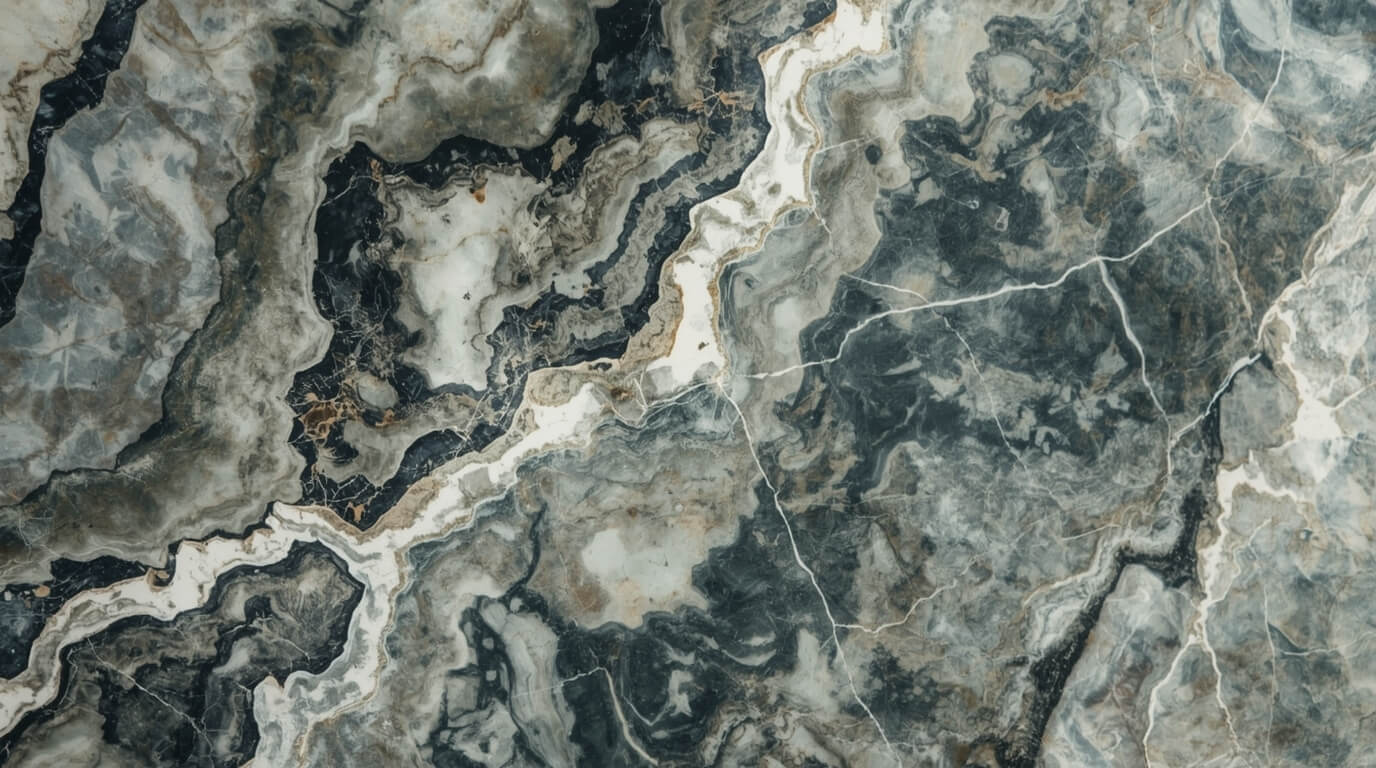
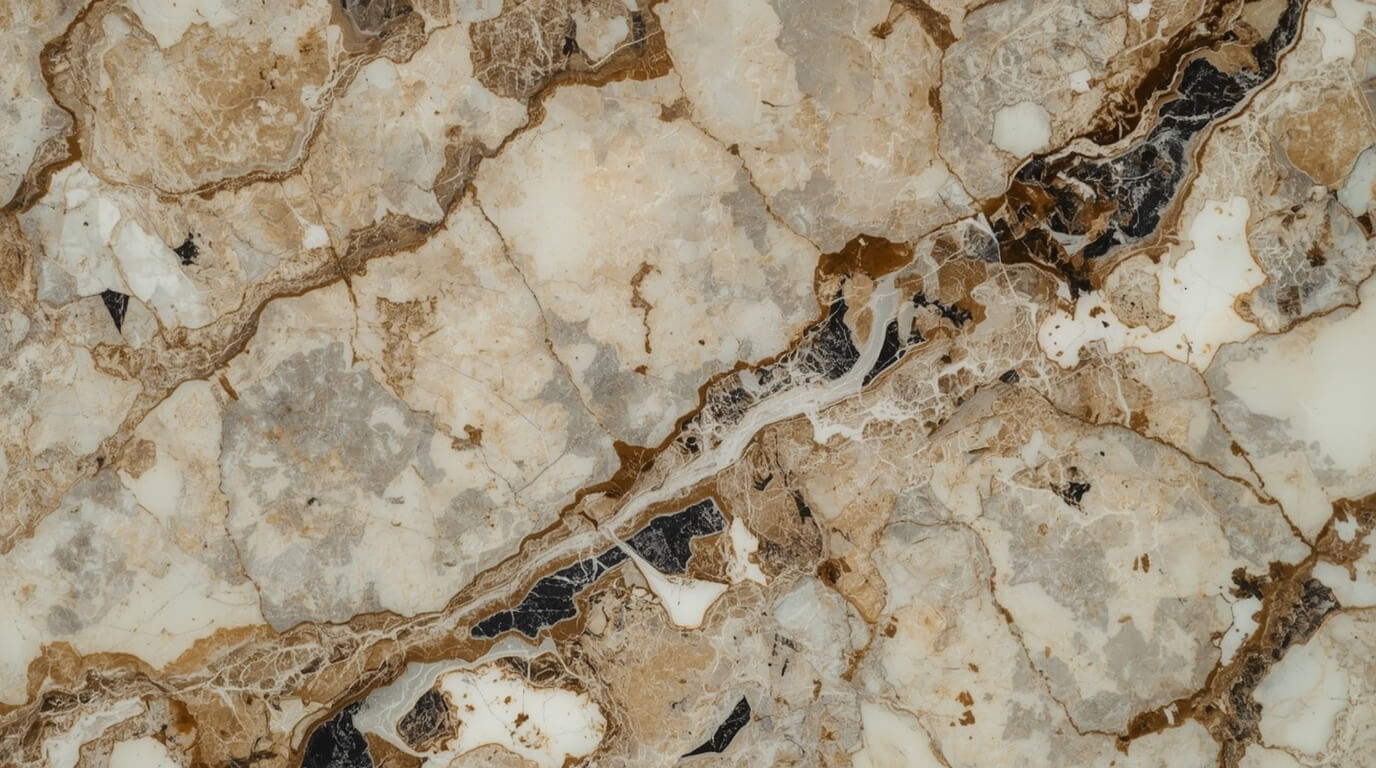
Natural stone carries variation, movement, and subtle irregularity that cannot be fully manufactured. Veining is not repeated. Color transitions are not programmed. Light interacts with stone in layered and unpredictable ways, creating a sense of presence that flat surfaces often lack.
Engineered materials are designed for consistency. In luxury environments, that consistency can feel static. When every surface looks identical, interiors risk losing the visual richness that defines high-end design.
Tactile Experience and Sensory Quality
Luxury interiors are experienced not only visually, but physically.
Natural stone offers a tactile quality that artificial surfaces struggle to match. Temperature, texture, and surface variation all contribute to a sensory connection between the space and its occupants.
This tactile authenticity matters in environments where details define perception. Bathrooms, kitchens, entry spaces, and feature areas benefit from materials that feel substantial and real, not simulated.
In luxury design, what is touched is just as important as what is seen.
Longevity Over Immediate Convenience
Engineered surfaces often emphasize efficiency, speed, and predictability.
These qualities are valuable in many contexts, but luxury projects operate under different priorities.
High-end interiors are designed for longevity. Materials are chosen with the expectation that they will remain visually and structurally relevant for decades. Natural stone aligns with this philosophy by offering durability paired with timeless aesthetics.
Rather than appearing dated, stone surfaces often gain character with age. This long-term performance reinforces their value in luxury residential and hospitality environments.
Authenticity as a Design Statement
In contemporary luxury interiors, authenticity itself has become a statement.
Clients increasingly seek spaces that reflect discernment and restraint. Natural materials communicate confidence in design decisions. They suggest that quality was prioritized over convenience and that the interior was crafted rather than assembled.
Artificial surfaces may imitate appearance, but they rarely convey the same sense of intention. In premium spaces, this distinction is immediately perceptible.
A Strategic Shift, Not a Rejection
The movement away from artificial surfaces in luxury interior design is not about exclusion. It is about alignment.
Engineered materials remain effective solutions in many commercial and functional applications. However, as luxury design places greater emphasis on material integrity, sensory experience, and long-term value, natural stone continues to stand apart.
This shift reflects a broader understanding of what luxury truly means today. Not perfection, but presence. Not replication, but authenticity.
Luxury interiors are moving toward natural materials not as a trend, but as a response to deeper priorities around authenticity, sensory quality, and long-term value.